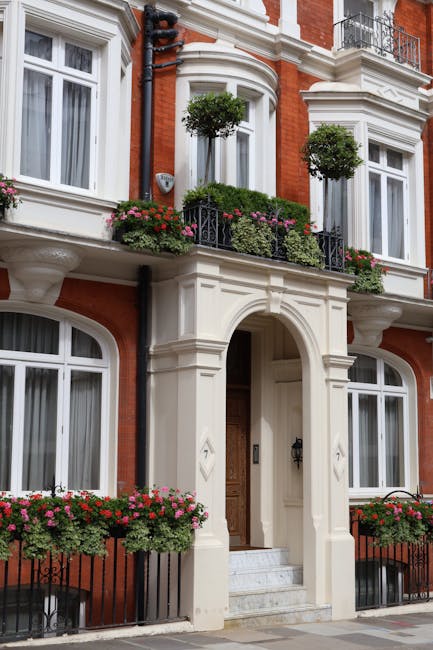
Balcony gardening services near Goodge Street W1T: a practical local guide to greener, calmer outdoor space
Balcony gardening services near Goodge Street W1T can turn a small, awkward outdoor corner into something you actually want to use. In central London, that matters more than people think. A balcony can be a place for fresh herbs, a bit of privacy, a morning coffee, or simply a quieter view after a long day. But the same space can also become cluttered, windy, dusty, and frankly a bit neglected if it is left to trial and error.
This guide walks through what balcony gardening services do, how they work, who they suit, and what to expect if you live or work near Goodge Street. It also covers the practical bits people often miss: weight limits, drainage, maintenance, choosing plants that survive urban conditions, and how to keep the whole thing looking good without creating extra hassle. Let's face it, a balcony should make life easier, not become another weekend project that gets away from you.
Why Balcony gardening services near Goodge Street W1T Matters
In a busy part of London, outdoor space is precious. A balcony near Goodge Street is usually compact, exposed, and used in a stop-start way, which means it needs a smarter approach than a typical garden bed. You are not just planting a few pots and hoping for the best. You are working with wind, shade from neighbouring buildings, limited floor area, and the reality that water, soil, and containers all add weight.
That is where professional balcony gardening becomes useful. Good balcony work is not about squeezing in more plants. It is about making a small space work hard without looking messy. The best setups usually do three things well: they suit the building, they suit the lifestyle of the person using them, and they stay manageable through the seasons. If any one of those is missing, the balcony tends to lose its charm pretty quickly.
There is also a comfort factor. A well-designed balcony can soften noise, add privacy, and make a flat feel more settled. Even a couple of planters placed well can change how a space feels at 7.30 on a grey weekday morning. Small thing, maybe. But very real.
For readers looking beyond balcony-specific help, it can also make sense to view the wider picture of outdoor upkeep. Services like garden maintenance, landscaping, and the full services overview show how balcony care can sit neatly within a broader property plan.
How Balcony gardening services near Goodge Street W1T Works
Balcony gardening is usually a consult-and-setup service, followed by maintenance. In plain English, someone assesses the space, understands your goals, checks the practical limits, and then builds a planting scheme or care routine that suits the balcony rather than fighting it.
The process often starts with a site visit or a careful remote discussion. The key details are simple but important: how much sun the balcony gets, how windy it is, what direction it faces, how much room is available, whether you want edible plants or ornamentals, and how much maintenance you are prepared to do. Truth be told, this first conversation often decides whether the project succeeds.
After that, the gardener may recommend container sizes, compost choices, watering methods, plant combinations, and safety-conscious placement. In a smaller balcony, the arrangement matters as much as the planting. A good layout keeps walking space clear, avoids blocked drainage, and stops heavy planters from being placed where they create a problem.
Some people want a full balcony refresh. Others need help with one specific issue: plants dying in the wind, planters leaking, soil compacting, or a space that looks fine in spring and tired by August. The service can be light-touch or more hands-on. That flexibility is useful, especially in central London where time is often the main constraint.
If you are comparing providers, it helps to look at how they handle broader service standards too. Pages such as insurance and safety, health and safety policy, and payment and security give a clearer sense of professional practice and how the business operates.
Key Benefits and Practical Advantages
The obvious benefit is visual. A balcony filled with the right plants looks better than one with random pots, weak seedlings, and a dead hanging basket that has been quietly embarrassing everyone for three weeks. But the stronger value is practical.
- Better use of limited space: compact planting plans can create structure without clutter.
- Plant choices that survive local conditions: wind tolerance, shade tolerance, and container suitability all matter.
- Lower ongoing effort: sensible plant selection means less rescue work later.
- Improved privacy and softness: screens, climbers, and tall planters can make overlooked balconies feel calmer.
- Seasonal interest: a well-planned balcony can keep something looking good through different months instead of peaking once.
- Food-growing potential: herbs, salad leaves, and compact fruiting plants can thrive in the right containers.
There is also a psychological upside that people notice more than they expect. A tidy, alive balcony changes the tone of the home. It gives you a reason to step outside for five minutes. Fresh air, a bit of green, the sound of leaves moving in the breeze. Not magic, just good design.
A professional service can also help avoid costly trial and error. If a balcony is exposed or awkwardly shaded, some plants will simply not thrive there, no matter how much attention they get. Better to choose well upfront than keep replacing things every month.
Who This Is For and When It Makes Sense
Balcony gardening services near Goodge Street W1T are a strong fit for people who want greenery but do not have the time, confidence, or patience to manage it alone. That includes renters, homeowners, landlords, office managers, and busy professionals who want the space to look finished without taking over their week.
This kind of service makes sense if:
- your balcony is underused and you want to make it feel more inviting;
- plants keep failing because of wind, shade, or inconsistent watering;
- you want herbs or edible plants but need help with setup;
- you have mobility limits and need a more accessible planting arrangement;
- you are preparing a property for sale, rental, or a more polished presentation;
- you want a low-maintenance design rather than a high-effort hobby.
It is especially helpful for people who know what they like but not how to achieve it. You may have saved photos, seen gorgeous balcony terraces online, and thought, "Right, I want that." Fair enough. The gap is usually in the execution. The best service bridges that gap with realistic plant selection and proper container strategy.
It can also be a good option after a frustrating reset. Maybe the last storm knocked things over. Maybe the balcony has been neglected over winter. Maybe you have moved in and the space feels like an afterthought. That happens more than people admit.
Step-by-Step Guidance
If you are thinking about balcony gardening, the process is easiest when you break it into a few sensible stages. No need to make it harder than it is.
- Assess the space properly. Look at sunlight, wind exposure, drainage, access, and usable floor area. Measure twice if you need to. Not glamorous, but essential.
- Decide on the main purpose. Is this for relaxation, edible planting, privacy, wildlife value, or all-round appearance? A balcony can do several jobs, but one clear purpose makes planning easier.
- Choose the right planting style. Containers, railing planters, shelves, wall planters, and compact raised systems all solve different problems. For many smaller balconies, vertical planting is the quiet hero.
- Pick plants for the conditions. A shady balcony needs different species from a bright, exposed one. It sounds obvious, but this is where many DIY attempts go sideways.
- Plan watering and maintenance. Ask how often the space will need attention in summer, during holidays, and in colder months. If you travel, set-up matters even more.
- Install safely and neatly. Planters should sit securely, drainage should be managed, and the balcony should remain easy to use. A cramped balcony that becomes obstacle course-style is no win at all.
- Review after a few weeks. Good balcony gardening is adjusted, not just installed. A plant that looked fine on day one may need repositioning after a windy fortnight.
One small but important tip: leave a little breathing space. If every inch is filled on day one, the balcony can start to feel heavy and fussy. A bit of negative space makes the planting look more intentional.
Expert Tips for Better Results
Here are the practical details that often separate an average balcony from one that genuinely works.
- Start with structure, then add colour. Evergreen shape, a few taller forms, and only then seasonal colour tend to age better.
- Use containers that fit the wind. Lightweight pots are useful, but if the balcony is exposed, they may need stabilising or better placement.
- Choose the right compost for containers. Balcony plants live in a very different environment from soil in the ground, so feeding and moisture retention matter more.
- Mix textures, not just colours. Soft leaves, upright grasses, herbs, and trailing plants create a more natural feel.
- Think about watering access. If getting water to the balcony is a faff, the whole scheme should be designed around that reality. Simple as that.
- Keep the heaviest items low and secure. Weight management matters on balconies, especially in older buildings.
- Plan for all seasons. A balcony that looks great in June but bleak in January is only doing half the job.
Another useful point: if you want a balcony to feel more private, do not rush straight into tall screens. Sometimes a layered planting approach does the job more elegantly. A few medium-height plants and one or two taller containers can soften sightlines without making the space feel boxed in.
And yes, herbs are lovely. But if you are away a lot or not especially keen on watering, a wall of thirsty basil is probably not your friend. We have all seen that movie.
Common Mistakes to Avoid
Balcony projects often fail for the same predictable reasons. The good news is that most of them are avoidable.
- Ignoring wind exposure: delicate plants can get shredded or dried out quickly on exposed balconies.
- Overcrowding: too many pots make the space harder to use and harder to maintain.
- Choosing plants for looks only: a plant that suits an indoor mood board may be a disaster outside in real London conditions.
- Poor drainage: waterlogged containers lead to unhappy roots and messy run-off.
- Using unstable containers: top-heavy or badly placed planters can be annoying at best and unsafe at worst.
- Forgetting maintenance: all gardens need some care, even the tidy ones.
- Not planning for holidays: a balcony can deteriorate fast if no one is around to water it in hot weather.
One mistake people rarely talk about is assuming every balcony should look lush immediately. That is not always realistic. Sometimes the most successful design starts modestly and grows into itself over a few months. A calm, staged approach can be much more satisfying.
Tools, Resources and Recommendations
The exact tools will vary depending on the design, but a good balcony gardening setup often relies on a handful of basics.
| Tool or Resource | Why it matters | Best used for |
|---|---|---|
| Quality containers | Support healthy roots and reduce toppling risk | General planting, privacy screening, herbs |
| Watering can or compact hose solution | Makes routine care easier and more consistent | Summer watering, weekly maintenance |
| Container compost and feed | Plants in pots need more support than ground planting | Flowers, herbs, small shrubs |
| Plant ties or discreet supports | Helps climbers and taller plants stay secure | Vertical planting, windier balconies |
| Saucer or drainage management | Protects surfaces and reduces messy run-off | Most balcony installations |
| Maintenance plan | Keeps the balcony looking good beyond the first few weeks | Seasonal pruning, feeding, replacement planting |
For a broader look at how a professional team manages property care, it can be useful to review about us and the company's approach to recycling and sustainability. Those pages can help you judge whether the service feels thoughtful rather than transactional.
There is also value in understanding what ongoing support looks like. A one-off install is fine, but many balconies stay at their best when they are revisited from time to time, especially after the first warm spell or a windy week. That is usually when the reality of the space shows up.
Law, Compliance, Standards, or Best Practice
Balcony gardening is not usually a heavily regulated activity in the way building work is, but there are still sensible standards to follow. You should always think about building rules, lease terms, landlord permissions where relevant, and basic safety. In shared or managed buildings, it is wise to avoid any setup that could cause leaks, falling objects, or obstruction to access.
Weight is a real consideration. Pots, wet compost, water storage, furniture, and decorative features all add up. A balcony can look light and simple while actually carrying a surprisingly heavy load, so careful planning matters. If in doubt, seek proper building guidance before installing anything substantial. Better safe than sorry.
Good practice also means keeping drainage under control, securing loose items, and making sure nothing can be blown loose in strong weather. London balconies can catch more wind than people expect, especially at higher levels. A planter that seems stable on a calm afternoon can behave very differently on a blustery evening.
If your project involves ladders, tools at height, or heavier lifting, a professional approach should include safe working practices. Pages like health and safety policy and insurance and safety are useful signs that the provider treats these issues seriously.
For less obvious risks, think about the basics: water run-off onto neighbouring balconies, trip hazards from trailing hoses, and the possibility of debris entering drains or shared walkways. These are small details, but in a busy building they matter. A good balcony garden is considerate as well as attractive.
Options, Methods, or Comparison Table
Different balcony gardening methods suit different needs. Here is a simple comparison to help you decide what fits best.
| Approach | Best for | Pros | Trade-offs |
|---|---|---|---|
| Minimal container planting | Very small balconies, low maintenance | Clean, easy to manage, budget-friendly | Less visual impact if underdone |
| Herb and edible setup | People who want practical use | Useful, fresh, enjoyable to harvest | Needs regular watering and care |
| Decorative seasonal display | Visual impact and colour | Bright, flexible, easy to refresh | Can need more upkeep through the year |
| Privacy-focused planting | Overlooked balconies | More secluded and comfortable | May need taller containers and more planning |
| Full design-and-maintain service | Busy clients or premium spaces | Consistent, polished, low effort for the client | Usually the most involved option |
If you are unsure, start small and expand. That is usually the safest answer. A balcony does not have to be "finished" in one go. It can develop.
Case Study or Real-World Example
A typical Goodge Street balcony might be narrow, partially shaded for part of the day, and exposed to wind from one side. The owner wants it to feel greener without losing seating space. They also do not want a setup that needs daily attention, because life in central London does not exactly slow down for planters.
In a case like that, a sensible approach would be a layered container scheme: one or two stable planters for structure, a compact evergreen for year-round form, a couple of herbs or flowering plants for seasonal interest, and perhaps a slim vertical element to soften the wall. The layout keeps the centre clear so the balcony still functions as a place to sit.
What often changes the outcome is not one dramatic feature but the balance. A plant that thrives in that particular corner, a container that does not wobble, and a watering routine that is realistic rather than aspirational. You know the sort of thing: the best version is the one you can actually keep up.
After a few weeks, the owner notices the balcony feels calmer in the evening. The space is no longer a storage zone with a couple of struggling pots. It has become part of the home. Not a huge transformation, but a meaningful one. Sometimes that is enough.
Practical Checklist
Use this checklist before you book or start a balcony gardening project.
- Measure the balcony and note usable floor space.
- Check sunlight and shade at different times of day.
- Assess wind exposure and shelter.
- Confirm any building or landlord requirements.
- Decide whether you want ornamental, edible, or mixed planting.
- Plan how watering will work in warm weather.
- Choose containers that suit the space and do not overload it.
- Keep drainage and surface protection in mind.
- Leave enough room to walk and sit comfortably.
- Ask about ongoing maintenance, especially if you travel often.
Expert summary: The best balcony gardens are not the fullest ones. They are the ones that fit the space, handle the weather, and stay easy to live with after the novelty has worn off.
If you want to compare service standards before taking the next step, you can also review pricing and quotes and the company's terms and conditions so expectations are clear from the start.
Conclusion
Balcony gardening services near Goodge Street W1T are really about making limited space feel generous. That might mean a private little retreat, a place for herbs, or just a cleaner, calmer outdoor view. It might mean less mess, fewer plant failures, and a design that finally fits the rhythm of your life.
The strongest balcony setups are rarely the flashiest. They are the ones built with care, a bit of restraint, and a good understanding of local conditions. Wind, shade, access, safety, and maintenance all shape the result. Get those right, and the rest becomes much easier.
If your balcony has been sitting there waiting for attention, this is a good moment to do something about it. Even a small change can lift the whole feel of a home. And honestly, that little step outside can become one of the nicest parts of the day.
Get a free quote today and see how much you can save.
Frequently Asked Questions
What do balcony gardening services near Goodge Street W1T usually include?
They commonly include an assessment of the balcony, plant and container recommendations, setup or planting, and optional ongoing maintenance. Some services focus on design, while others handle the full practical install.
Can a small balcony really support a proper garden?
Yes, absolutely. A small balcony can support a very effective garden if the planting is chosen carefully and the layout is planned well. Vertical planting and compact containers often work especially well.
What plants work best on a windy London balcony?
Hardier, flexible plants and sturdy container arrangements are usually better than delicate varieties. The exact choice depends on exposure, but wind tolerance should always be part of the decision.
How often will balcony plants need watering?
That depends on the season, the container size, sun exposure, and the plant types. In hot weather, containers can dry out quickly, so watering may be needed much more often than ground planting.
Is balcony gardening suitable for renters?
Yes, in many cases. Renters often choose portable containers and non-permanent planting solutions so the balcony can be enjoyed without major alterations.
How do I keep a balcony garden from feeling cluttered?
Use fewer, better-positioned containers and keep the layout simple. Leave enough open space for movement and seating. A balcony feels better when it is easy to use, not just full.
What is the main risk with balcony planting?
The biggest risks are often weight, wind, and poor drainage. Those are the three things that can quietly cause problems if they are not thought through properly.
Do balcony garden services also help with maintenance?
Many do. Ongoing maintenance can include watering, feeding, pruning, replanting seasonal displays, and checking container health. That is often the difference between a short-lived display and something lasting.
How can I make my balcony more private with plants?
Taller planters, layered planting, and strategically placed climbers can soften sightlines without making the area feel boxed in. It is usually better to build privacy gradually rather than block everything at once.
Can balcony gardening include herbs and edible plants?
Yes. Herbs, salad leaves, and some compact fruiting plants can do well in containers if the light and watering conditions suit them. Edible planting is popular because it is both useful and attractive.
Should I book a one-off setup or regular maintenance?
If you enjoy gardening and have time, a one-off setup may be enough. If you are busy, travel often, or want a more polished result year-round, regular maintenance is usually the smarter choice.
How do I know if my balcony is suitable for heavier planters?
If the balcony is older, awkwardly built, or you are unsure about the load it can take, treat that carefully. Start with lighter options and seek proper building guidance before adding substantial weight.
What should I ask before hiring a balcony gardening service?
Ask about plant suitability, maintenance frequency, drainage, safety, and how they handle access or weight concerns. A good provider should be able to explain their approach clearly and without fuss.