 Gardeners Fitzrovia: Recycling and Sustainability for Urban Gardeners
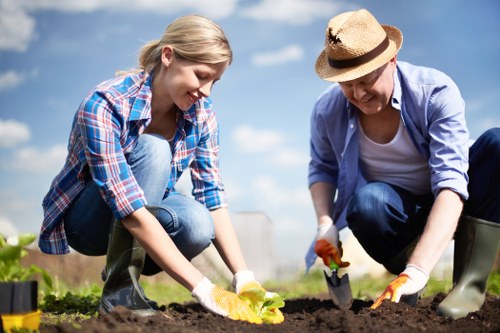
Gardeners Fitzrovia is committed to creating an eco-friendly waste disposal area and promoting a sustainable rubbish gardening area across community plots and private greens. This page outlines our vision, targets and the practical steps we take to make our waste handling low-carbon and community-focused. Our approach blends local borough waste separation rules with garden-centred reuse to reduce landfill and improve soil health.
 Working within the local boroughs' approach to waste separation, we encourage segregating food waste, garden waste, and dry recycling (paper, card, plastics and metals) at source. This makes the transition from plot-level separation to borough collection efficient, and supports local transfer stations and recycling hubs that process these materials into compost, mulch and reusable materials.
Our Recycling Targets and Ambitions
We have set a clear, measurable recycling percentage target: Gardeners Fitzrovia aims to reach a 65% recycling rate of all garden and associated household waste by 2030. This target covers green waste, food scraps, cardboard from seed and plant deliveries, and reusable hard goods. The 65% goal is ambitious but achievable by combining better sorting, onsite composting, and partnerships for reuse.
 To hit these numbers we maintain an integrated system that pairs communal compost bays and wormeries in the gardens with scheduled collections to the nearest borough transfer stations and community recycling centres. These transfer points then route material either to municipal composting facilities or to specialist processors for textiles, bulky items and e-waste.
Designing an Eco-Friendly Waste Disposal Area
Our waste disposal area is designed to be understandable and accessible. It includes clearly labelled, segregated bays for:
- Green/garden waste – for prunings, grass clippings and woody cuttings suitable for composting or chipping;
- Food waste – for kitchen scraps destined for in-garden composters or municipal food-waste collection;
- Dry recycling – separate containers for paper, card, glass and mixed recycling to match borough collection rules;
- Reusable items – a donation rack for tools, pots and hard goods to be diverted to charity partners.
Signage uses simple icons, multilingual notes and colour-coding to mirror local council bin schemes so residents and volunteers can easily follow the boroughs' waste separation methods.
Our sustainable rubbish gardening area is more than bins: it is a hub for resource recovery. We run on-site mulching sessions, compost turning events and seed-saving swaps that transform garden detritus into valuable soil amendments. By processing green waste locally we cut vehicle miles and feed nutrient-rich compost back into beds, increasing resilience and reducing the need for chemical inputs.
 Partnerships with charities and social enterprises are central to our model. We work with local reuse charities and community groups to divert usable items — plant supports, hand tools, and planters — from disposal to reuse. These collaborations provide social value, create training opportunities and reduce the volume sent to transfer stations.
We also collaborate with food redistribution charities to channel surplus produce from shared plots and surplus seedlings to local community fridges and projects, reducing waste and supporting local food resilience.
To minimise transport emissions we operate a fleet of low-carbon vans and alternative freight solutions. Where possible, we use electric vans for collections and deliveries, and cargo bikes for short runs within Fitzrovia. These choices reduce emissions between garden sites and local transfer stations while supporting a low-carbon logistics network for green waste and donations.
The reuse pathway is carefully mapped: items collected in the green disposal area that are suitable for reuse are sorted, cleaned and transferred to charity partners or community hubs, while non-reusable materials are directed to appropriate recycling streams at municipal or independent transfer stations that serve the borough.
Our sustainable waste and recycling plan also includes seasonal targets for compost production and reuse rates, with reporting to garden members so progress toward the 65% recycling goal is transparent and community-driven.
Key activities that support our eco-friendly waste disposal area include:
- Regular education sessions on how to sort waste in line with borough guidelines;
- Communal compost bays and small-scale aerobic digesters for food waste;
- Tool and pot repair clinics that extend the life of gardening equipment;
- Scheduled collections to local transfer stations and community recycling centres;
- Partnerships with charities for redistribution and reuse.
 Through these steps we cultivate a circular approach: less rubbish, more soil, and stronger neighbourhood connections. Our strategy balances on-site processing with efficient handover to borough facilities, always seeking to reduce carbon, increase reuse and make the sustainable rubbish gardening area an everyday practice.
Gardeners Fitzrovia welcomes volunteers and plot-holders to join the effort to reach our recycling percentage target and to help shape a greener, low-waste future for urban gardening.

