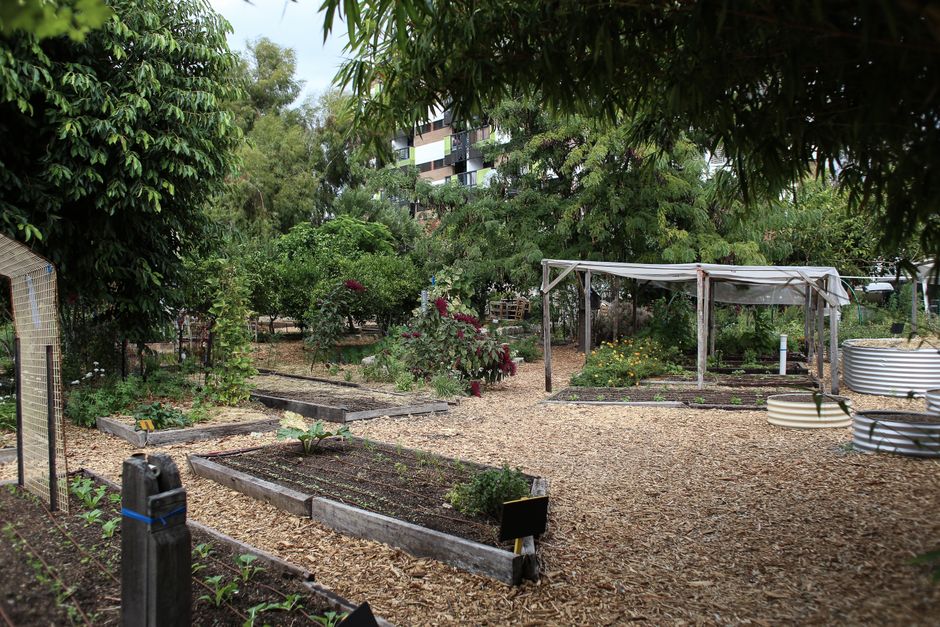
Gardeners for Brunswick Centre shared gardens Fitzrovia: a practical guide to caring for communal green spaces
Shared gardens around the Brunswick Centre need a slightly different kind of care. They are not private back gardens where one person decides everything on a quiet Saturday morning. They are communal spaces, seen by residents, visitors, and passers-by, and they have to work hard: looking tidy, feeling calm, staying safe, and coping with regular use. That is why choosing Gardeners for Brunswick Centre shared gardens Fitzrovia is about more than cutting grass or trimming a hedge. It is about consistent maintenance, sensible planning, and respect for a space that many people rely on every day.
In this guide, you will find a clear explanation of how shared-garden maintenance works, what good service looks like, where problems usually start, and how to choose the right level of care for a Fitzrovia communal garden. If you are a resident, a managing agent, or part of a building committee, you will hopefully come away with a much better sense of what to ask for, what to expect, and what matters most in practice.
To be fair, communal gardens can become a headache very quickly if the basics are ignored. One missed visit, a few weeds left unchecked, and suddenly the whole place feels tired. The good news? With the right approach, these spaces can stay welcoming, neat, and genuinely pleasant throughout the year.
Table of Contents
- Why Gardeners for Brunswick Centre shared gardens Fitzrovia Matters
- How Gardeners for Brunswick Centre shared gardens Fitzrovia Works
- Key Benefits and Practical Advantages
- Who This Is For and When It Makes Sense
- Step-by-Step Guidance
- Expert Tips for Better Results
- Common Mistakes to Avoid
- Tools, Resources and Recommendations
- Law, Compliance, Standards, or Best Practice
- Options, Methods, or Comparison Table
- Case Study or Real-World Example
- Practical Checklist
- Conclusion
- Frequently Asked Questions
Why Gardeners for Brunswick Centre shared gardens Fitzrovia Matters
Shared gardens are judged fast. People notice the clipped edges, the condition of the lawn, whether paths are clear, whether bins or stored items are intruding, and whether planting beds look cared for rather than forgotten. In a place like Brunswick Centre, that matters even more because the garden is part of the wider feel of the building and the neighbourhood. It is not just decoration. It is part of the lived experience of the property.
A well-maintained communal garden does a few things at once. It supports resident wellbeing, makes the property feel more orderly, and reduces the slow creep of deterioration that can happen when nobody is fully responsible. Think of it like preventative care for the landscape. A little attention at the right time saves a lot of trouble later. That is not a glamorous answer, but it is the honest one.
There is also a practical side. Shared gardens have more wear and tear than private spaces. Foot traffic is heavier. Planting is often chosen to be robust, not delicate. Access can be limited by building layouts, neighbours, and storage arrangements. And because many people use the same space, one small problem can become everyone's problem. A damp patch, overhanging branch, or overgrown hedge can affect light, security, and access quite quickly.
In our experience, the best results come when gardeners understand the rhythm of the site rather than treating it like a generic patch of grass. Shared gardens need a routine, but they also need judgement. Sometimes that means mowing. Sometimes it means leaving a section alone because the weather has turned and the soil needs a bit of breathing room. That sort of call is where real experience shows.
Practical takeaway: communal gardens work best when maintenance is planned as an ongoing service, not as a one-off tidy-up after things have already slipped.
If you are looking at support beyond routine care, it may also help to review the wider service range and see how maintenance, clearance, landscaping, and related work can fit together without creating unnecessary disruption.
How Gardeners for Brunswick Centre shared gardens Fitzrovia Works
Shared-garden care usually starts with a site review. That sounds formal, but really it is a practical walk-through: what is growing well, what is struggling, which areas get the most use, where the litter or leaf fall collects, and what needs immediate attention. On a site like Brunswick Centre, those observations shape everything that follows.
After that, work is usually scheduled by season and by site needs. Routine tasks might include mowing, edging, hedge trimming, pruning, weeding, deadheading, leaf clearance, border care, and checking the general presentation of the planting. If the garden includes built features, such as paving, sleeper beds, or timber structures, those elements need a separate eye too. That is where a broader approach such as landscaping support can become useful, especially if the garden needs more than maintenance alone.
Communal spaces also benefit from clear communication. Residents do not want surprises. A good gardener or garden team should be able to explain what will be done, when it will happen, and whether any work will be noisy or temporarily restrict access. Honestly, that part matters as much as the horticulture. People are much happier when they know why a hedge is being cut back on Tuesday afternoon rather than wondering who is making all that noise.
There is usually a sensible split between routine care and occasional heavier tasks. Routine care keeps things tidy. Heavier tasks deal with what routine care cannot solve on its own: clearing neglected areas, reshaping an overgrown border, removing dead material, or restoring a patch that has been trampled and compacted. If a communal space has been left for too long, a one-off garden clearance service may be needed before maintenance can properly resume.
Timing matters more than people think. Morning visits often work well in residential settings because the light is better, the weather is cooler in warmer months, and disruption is lower. In winter, there is usually a stronger focus on safety, drainage, leaf control, and keeping surfaces usable. The work changes, yes, but the aim stays the same: a garden that feels looked after rather than merely attended to.
Key Benefits and Practical Advantages
The obvious benefit is appearance, but that is only the start. A proper shared-garden maintenance plan brings several less visible advantages that residents tend to appreciate more over time.
- Consistency: regular care prevents the garden from swinging between "fine" and "wildly overgrown".
- Safety: clear paths, managed growth, and tidy edges reduce trip hazards and visibility issues.
- Better plant health: pruning, feeding, and seasonal attention help plants stay resilient.
- Neighbour goodwill: fewer complaints when the space feels orderly and managed.
- Property presentation: communal green space contributes strongly to the building's first impression.
- Less reactive spending: routine care often reduces the need for costly rescue work later.
There is a quieter benefit too. People use shared gardens differently when they feel cared for. A bench gets sat on. A path gets walked. Children notice the insects and the flowers. Someone pauses with a coffee in the late afternoon. It sounds small, but it changes the mood of a building. And let's face it, that is part of why these spaces exist in the first place.
For ongoing upkeep, regular garden maintenance is often the backbone of a good plan, especially when the aim is to keep the site presentable without repeatedly starting from scratch.
Who This Is For and When It Makes Sense
Gardeners for Brunswick Centre shared gardens Fitzrovia is relevant for several types of people. The most obvious are residents and management groups responsible for communal outdoor areas. But the need often extends further than that.
You may need this kind of service if:
- the shared garden is looking uneven or neglected between visits;
- residents have different expectations and nobody wants to coordinate ad hoc jobs;
- the space includes planting that needs specialist pruning or seasonal care;
- the garden has become cluttered with leaf fall, litter, or overgrowth;
- access points, paths, or boundaries need regular attention;
- you are planning a refresh rather than a complete redesign;
- you want a dependable routine instead of occasional emergency work.
It also makes sense when you have multiple stakeholders. One resident wants more flowers, another wants low maintenance, another wants better privacy, and someone else only cares that the hedge does not swallow the pathway. Sound familiar? Shared gardens often become a small exercise in diplomacy. A good gardener helps by making practical recommendations that fit the space instead of feeding every preference at once.
If the garden includes mature hedging or screening, a dedicated hedge trimming service can keep boundaries neat without overcutting or stressing the plants. That is one of those jobs where a light touch usually beats a heavy hand.
And if trees are part of the garden's structure, any pruning or removal work should be handled carefully, with proper checks and sensible planning. For that kind of task, tree lopping and removal may be relevant, though only when there is a genuine need and the work is proportionate.
Step-by-Step Guidance
If you are planning support for a shared garden at Brunswick Centre, the cleanest way forward is to break the job into simple stages. It keeps decisions manageable, and it stops the project turning into a vague "we should do something about the garden" conversation that never quite ends.
- Assess the current condition. Walk the garden at a normal time of day. Look at the lawn, borders, hedges, paths, edges, drainage, and any features that get regular use.
- Identify priorities. Decide what is urgent, what is seasonal, and what can wait. Overgrown access routes usually come first. Aesthetic improvements come after basic safety and cleanliness.
- Set the maintenance rhythm. Weekly, fortnightly, or monthly care may be suitable depending on the season and the amount of use the garden gets.
- Choose services that match the garden. For example, lawn mowing, hedge trimming, and general maintenance may be enough for a tidy site, while more neglected spaces may need clearance or landscaping input.
- Agree access and timing. Make sure residents know when work will happen and how any temporary disruption will be handled.
- Review after the first few visits. The first plan is rarely perfect. It is normal to adjust frequency or task mix once the garden's real behaviour becomes clear.
A small but useful point: communal gardens often improve when the first visit is used to reset the site rather than chasing every tiny detail. Clear the clutter, restore shape, establish the routine, then refine. That order saves time and avoids false expectations.
If you are comparing more structured support options, it can be helpful to look at pricing and quotes early on so the scope feels realistic from the start. Nobody enjoys a surprise invoice. Nobody.
Expert Tips for Better Results
Good shared-garden care is part horticulture, part common sense. A few habits make a noticeable difference.
- Match planting to the site: where footfall is high, use robust species and avoid fragile plants in exposed spots.
- Do less, more often: lighter, regular visits usually keep a communal garden in better shape than sporadic heavy work.
- Keep edges sharp: neat borders and defined lines make the whole space look cared for, even when planting is simple.
- Watch for compaction: shared use can flatten soil near seating or desire lines, so allow those areas to recover where possible.
- Plan for litter and leaf fall: it is not glamorous, but it is part of the job in urban communal spaces.
- Respect habitat value: a tidy garden can still support pollinators and birds if pruning and clearance are done thoughtfully.
One practical observation from many residential jobs: if the garden looks messy, people use it less, and then it can start to feel even more neglected. Break that cycle quickly. A reset visit followed by steady upkeep often changes the mood within a couple of weeks.
If sustainability matters to your building, you may also want to ask how green waste is handled. A service with a clear recycling and sustainability approach can be a better fit for residents who care about disposal practices as well as presentation.
And while it sounds obvious, keep a record of what has been done. A simple maintenance log helps everyone understand patterns: what keeps returning, what has improved, and where the garden may need a different approach next season.
Common Mistakes to Avoid
A lot of communal garden issues come from good intentions applied in the wrong order. Here are the mistakes that cause the most trouble.
- Waiting too long between visits: overgrowth is easier to prevent than to unwind.
- Over-pruning: especially with hedges and established shrubs, heavy cutting can damage shape and health.
- Choosing style over practicality: a lovely design that nobody can maintain will become a problem quickly.
- Ignoring access and resident timing: even tidy work can annoy people if communication is poor.
- Using clearance as a substitute for maintenance: one-off rescue work is useful, but it is not a long-term plan.
- Forgetting safety checks: unstable branches, slippery paths, or hidden debris need attention before cosmetic work.
There is also the classic communal-garden mistake: assuming everyone wants the same thing. They rarely do. Some people want a meadow feel. Others want crisp lines and almost no leaf litter. A good gardener helps balance those preferences without letting the space become a compromise that pleases nobody. A bit of judgement goes a long way.
If a garden has reached the point where routine care is no longer enough, garden clearance can be the sensible first step before maintenance starts again properly. That is not failure. It is just the practical order of operations.
Tools, Resources and Recommendations
The exact tools depend on the site, but most communal-garden work relies on a core kit and a few site-specific extras. For a Brunswick Centre shared garden, you would usually expect the work to involve the basics done well rather than fancy machinery for its own sake.
- Hand tools: secateurs, loppers, edging tools, rakes, and weeding tools for finer control.
- Mowing equipment: suitable for the size and layout of the lawned areas.
- Pruning equipment: used carefully for hedges, shrubs, and deadwood removal.
- Waste handling equipment: sacks, barrows, and safe loading arrangements.
- PPE: gloves, sturdy footwear, eye protection, and weather-appropriate clothing where needed.
For the property team, the most useful resources are less about tools and more about process. A short service brief, a contact list, a preferred timing window, and a simple maintenance schedule can save a lot of back-and-forth. If the building has multiple decision-makers, keep the instructions clear and avoid informal assumptions. They tend to create confusion later. Human nature, eh?
If you are planning ongoing work across different parts of the site, it may help to review a broader services overview so you can see how lawn care, hedging, landscaping, and other tasks fit together into one stable routine.
For buildings that are still settling on service expectations, reading about the team's background can also help. A page such as about us can give a better feel for the approach and working style behind the service, which is often more important than people first think.
Law, Compliance, Standards, or Best Practice
Shared-garden work in London does not usually involve dramatic legal complexity, but it does need sensible care around safety, access, waste handling, and responsibility. The exact obligations depend on who manages the site and what work is being carried out, so it is wise to stay cautious rather than assume one rule fits every building.
At a practical level, good best practice usually includes the following:
- Safe working methods: tools used correctly, clear work areas, and attention to trip hazards or falling debris.
- Insurance awareness: anyone working on site should be properly covered for the type of work being done.
- Clear communication: residents should know when access may be affected.
- Respect for boundaries: communal spaces often sit close to private windows, entrances, and seating areas.
- Waste handling discipline: green waste and debris should be removed or managed responsibly.
If your building team wants reassurance on operational standards, it is sensible to ask about health and safety policy information and insurance and safety arrangements before any regular work begins. That does not need to feel formal or awkward. It is just good housekeeping, really.
Depending on the site, you may also want to understand how payment handling, service terms, and customer privacy are managed. Pages such as payment and security, terms and conditions, and privacy policy can be useful reference points when you are comparing providers or setting up ongoing work.
Options, Methods, or Comparison Table
Not every shared garden needs the same level of service. Some only need light, regular care. Others need a stronger intervention to get them back under control. Here is a simple comparison that may help.
| Approach | Best for | Strengths | Watch-outs |
|---|---|---|---|
| Routine maintenance | Established gardens that already look reasonably managed | Keeps the site tidy, predictable, and cost-effective | Won't fix deep neglect on its own |
| Clearance plus maintenance | Overgrown or cluttered communal gardens | Resets the space and creates a clean starting point | Needs a follow-up routine, otherwise the problem returns |
| Landscaping refresh | Spaces with poor layout, weak planting, or tired surfaces | Improves function and appearance together | Requires clearer planning and sometimes more budget |
| Targeted specialist tasks | Hedges, lawns, trees, or built features needing specific care | Efficient and focused on one problem area | May still need broader maintenance around it |
In many real-world cases, the best answer is not one single method. It is a blend. For example, a shared garden might need a proper reset, then routine mowing, then seasonal hedge trimming, and maybe a little landscape adjustment next spring. That layered approach is often what keeps the whole thing sustainable.
If timber features or decking areas are part of the communal garden, it may also be useful to look at decking services if those structures are becoming slippery, worn, or difficult to maintain cleanly alongside the planting.
Case Study or Real-World Example
Picture a shared garden in central London after a damp spell in early autumn. The lawn has started to look patchy, the hedge has grown soft and untidy, and there is a line of leaves gathering in the corner where nobody quite wants to rake them because, well, it keeps raining. Residents still use the garden, but less confidently. A few people say it looks "a bit sad", which is usually a clue that action is overdue.
The first sensible step is not a dramatic redesign. It is a reset. The overgrowth is trimmed back carefully, debris is removed, the path edges are defined, and the lawn is brought back into shape. Once the garden reads as cared for again, the next step is maintenance: regular mowing where needed, simple seasonal tidy-ups, and planned hedge care. If certain borders are bare or awkward, a small landscaping adjustment can improve the look without changing the character of the space.
What changes after that is interesting. Residents start using the garden again. A couple of people begin sitting outside at lunch. The building feels a little more settled. Nothing magical, just the steady effect of a space that is once again working as intended. That is what good communal gardening does. Quietly, but properly.
For a site that needs this kind of reset-and-maintain approach, a combination of lawn mowing, hedge trimming, and ongoing garden maintenance often makes the biggest difference.
Practical Checklist
Use this quick checklist before arranging work for Brunswick Centre shared gardens Fitzrovia.
- Walk the whole garden and note the main problem areas.
- Separate urgent safety issues from cosmetic issues.
- Decide whether the site needs maintenance, clearance, landscaping, or a mix.
- Check how residents access the garden and when disruption is least likely.
- Confirm how waste, clippings, and debris will be removed or recycled.
- Make sure hedges, lawns, and trees are being managed at the right frequency.
- Ask how the team handles safety, insurance, and site working practices.
- Agree who approves changes if the garden needs something beyond routine care.
- Keep a simple record of dates, work completed, and any follow-up actions.
- Review the plan after the first few visits and adjust if needed.
If you want to speak to the team directly about a site assessment or to talk through the condition of a communal garden, you can always use the contact us page when you are ready. No pressure. Just a sensible next step.
Conclusion
Gardeners for Brunswick Centre shared gardens Fitzrovia is really about keeping a shared space useful, attractive, and easy to live with. The best results come from regular maintenance, clear communication, and a practical understanding of how communal gardens behave over time. They do not need constant fussing, but they do need steady care. That is the honest version.
If you are managing a shared garden, start with what the space needs now, not what you wish it looked like six months ago. Get the basic structure right, keep the routine realistic, and build from there. A well-kept communal garden does more than look nice. It lowers friction, improves daily life, and gives the whole building a calmer feel. And that, in the end, is worth a lot.
Get a free quote today and see how much you can save.
With the right plan in place, even a busy inner-London communal garden can feel orderly, generous, and quietly uplifting again.
Frequently Asked Questions
What do gardeners for Brunswick Centre shared gardens Fitzrovia usually handle?
They usually handle routine upkeep such as mowing, edging, hedge trimming, weeding, pruning, leaf clearance, and general presentation. Depending on the site, they may also help with clearance work or landscaping improvements.
How often should a shared garden be maintained?
It depends on the planting, the season, and how heavily the space is used. Some gardens need weekly or fortnightly attention in peak growing months, while others can run on a lighter monthly schedule. The key is consistency.
Is regular maintenance better than occasional big tidy-ups?
Usually, yes. Routine maintenance prevents the garden from slipping into heavier neglect, which is often more expensive and disruptive to fix. A one-off tidy-up can help, but it should not replace an ongoing plan.
What if the communal garden is already overgrown?
If the space has become difficult to manage, a garden clearance may be the best first step. Once the area is reset, proper maintenance can keep it under control and prevent the same problem returning.
Can gardeners help with both plants and hard landscaping features?
Yes, often they can help with planting care and broader site presentation, and in some cases landscaping or decking-related work may also be relevant. It depends on the exact condition of the space and the service scope agreed.
How do I choose the right service for a shared garden?
Start by deciding whether the site needs basic maintenance, a larger clearance, or a more visible landscaping refresh. If the garden already has a good structure, maintenance may be enough. If it looks tired or cluttered, you may need a combination.
What should residents expect during garden work?
They should expect reasonable communication, tidy working practices, and some temporary noise or access restrictions where necessary. Good gardeners will aim to keep disruption low and the area clean afterwards.
Do shared gardens need special safety checks?
Yes, in practice they do. Paths, edges, branches, tools, and waste all need to be managed carefully because more people use the space. It is sensible to ask about safety and insurance arrangements before regular work begins.
What are the biggest mistakes in communal garden care?
The biggest mistakes are leaving maintenance too long, overcutting hedges, ignoring access issues, and assuming everyone wants the same garden style. Shared spaces work best when planning is practical and communication is clear.
Can sustainable practices be built into garden maintenance?
Absolutely. Green waste handling, sensible pruning, plant selection, and avoiding unnecessary replacement all help. If sustainability matters to your building, ask how the work is managed from a recycling and waste perspective.
How do pricing and quotes usually work for this kind of service?
Quotes are often based on garden size, access, frequency, and the amount of work needed. A simple maintenance plan will usually cost less than a clearance and reset, so it helps to be clear about what you want from the start.
When should we consider landscaping rather than maintenance?
If the garden's layout, planting structure, or surfaces no longer support how the space is used, landscaping may be the better option. Maintenance keeps a good space going; landscaping improves a space that is not working well enough.