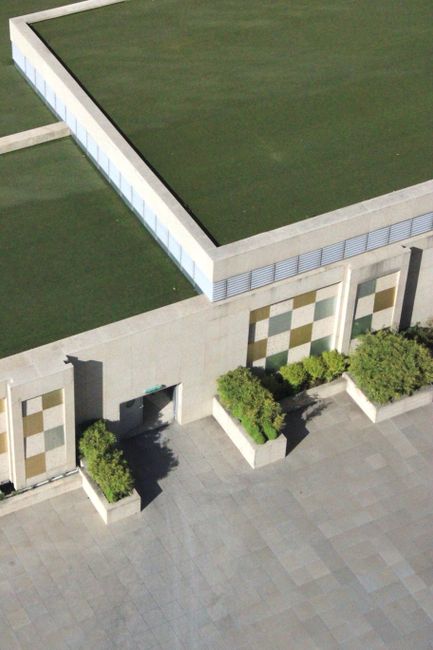
Gardeners for roof terraces near BT Tower Fitzrovia
If you are looking for Gardeners for roof terraces near BT Tower Fitzrovia, you probably already know the problem: a roof terrace can be brilliant one minute and a bit exposed the next. Wind, limited access, patchy light, drainage quirks, planters that dry out too quickly, and the usual London challenge of making a small space feel calm rather than crowded. That is exactly where specialist gardeners make the difference. They do not just "tidy up" a terrace. They help it work properly, season after season.
In a central London setting like Fitzrovia, the best results usually come from practical planning as much as planting skill. A terrace near BT Tower may need smarter container choices, lighter materials, better irrigation habits, and regular maintenance that respects shared buildings and busy residents. This guide walks through what roof terrace gardeners actually do, why the work matters, and how to decide what your space needs without overcomplicating it. Truth be told, a good terrace should feel easy to enjoy, not another weekend job hanging over you.
Why Gardeners for roof terraces near BT Tower Fitzrovia Matters
Roof terraces are not ordinary gardens. They sit higher, catch more wind, dry out faster, and often have weight limits and access limitations that change what is sensible. Near BT Tower Fitzrovia, the context adds another layer: compact urban living, managed buildings, neighbours close by, and a need to keep the space neat without making it feel overworked. That is why specialist gardeners for roof terraces are so useful. They understand the difference between a plant that merely survives and one that actually looks good in an exposed city setting.
There is also a design side to it. A terrace can easily become a jumble of mismatched pots and tired foliage if nobody is thinking ahead. With the right approach, though, it becomes a proper outdoor room. You get softer edges, better privacy, cleaner sightlines, and planting that can handle the realities of rooftop life. A few well-chosen shrubs in sturdy containers can do more for a terrace than a dozen decorative extras that look nice for two weeks and then sulk.
In practical terms, the value of this service is simple: it helps protect your investment. Roof terraces are often part of premium homes or commercial spaces, and poor maintenance can show quickly. Leaves block drains, planters crack, irrigation fails, and once a problem starts, it tends to announce itself at the worst possible moment, usually after a dry spell or a windy weekend. Not ideal.
If you want a broader sense of how a provider structures garden work across different space types, it can help to look through their services overview before narrowing in on terrace-specific needs.
How Gardeners for roof terraces near BT Tower Fitzrovia Works
Most roof terrace gardening projects begin with a practical assessment. The gardener will usually look at sunlight, shade, wind exposure, access points, drainage, container condition, and how much time the space can realistically get for ongoing upkeep. That first step matters more than people think. You cannot choose good planting if you do not understand the conditions first, and roof terraces are famously full of little surprises.
From there, the work usually falls into a few connected parts. There is the plant selection itself, which should suit rooftop conditions rather than a generic ground-level garden. There is also the container plan: pots, raised planters, trellises, and any lightweight features that help structure the space. Then there is maintenance, which may include watering routines, feeding, pruning, deadheading, pest checks, and seasonal changes. On some terraces, the gardener may also coordinate with landscaping or decking work if the layout needs a more substantial refresh.
In central London, access is often the quiet complication. Materials may need to be brought through tight stairwells or lifts. Watering can be awkward if there is no tap exactly where you want it. And waste removal is not always as simple as wheeling things to the curb. A good local gardener plans for these things rather than pretending they are a minor detail. They are not. They are the job.
If your terrace needs a broader layout change, you may also want to explore landscape gardening or related landscaping services, especially where planting has to work alongside paving, screening, or built-in features.
Key Benefits and Practical Advantages
The clearest benefit is peace of mind. A roof terrace that is cared for properly does not feel like a problem waiting to happen. It feels settled. You can step outside with a coffee, breathe for a minute, and actually enjoy the view instead of noticing every failing pot and dried leaf. That sounds small, but it matters.
There are also practical gains that show up over time:
- Healthier plants: species chosen for rooftop exposure tend to survive better and look better through the seasons.
- Better use of space: planting, seating, and screening can be arranged so the terrace feels larger and more useful.
- Reduced damage risk: regular checks help spot blocked drains, unstable planters, or water pooling before they become expensive issues.
- Less maintenance stress: a sensible care plan saves you from last-minute rescue jobs and overwatering mistakes.
- Improved privacy: taller planting, climbers, and layered containers can soften sightlines without making the terrace feel boxed in.
There is a design benefit too, and people often underestimate it. Roof terraces near BT Tower Fitzrovia can be visually exposed because of their height and surroundings. Thoughtful planting gives the eye somewhere to rest. It makes the space feel intentional. Even a narrow terrace can feel polished if the structure is right, and no, that does not mean buying the biggest planter in the shop and hoping for the best.
For terraces that need better screening or a softer boundary, the ideas in tall potted privacy plants can be adapted surprisingly well to rooftop spaces, provided weight and wind are taken seriously.
Who This Is For and When It Makes Sense
This kind of service is a strong fit for homeowners, renters with permission, landlords, building managers, and businesses that use roof terraces for relaxation, entertaining, or staff space. If the terrace is visible to clients or guests, presentation matters even more. A half-kept terrace can send the wrong message fast.
It makes sense if any of these sound familiar:
- You want the terrace to look better, but you do not have time to manage it properly.
- Your existing plants keep drying out, blowing over, or looking tired by midsummer.
- You have a new terrace that needs a proper planting plan from scratch.
- The space feels bare, exposed, or a bit too functional.
- You need seasonal maintenance rather than a full redesign.
- You are worried about weight, access, or how to keep things tidy in a managed building.
It may also be sensible if you have tried the DIY route and found it harder than expected. To be fair, roof terraces can be deceiving. A small footprint does not mean low effort. Often it means the opposite. More exposure, more drying out, more monitoring. A gardener who already understands rooftop conditions can save you from repeating the same expensive mistakes.
If the terrace has become cluttered with old pots, broken bags of compost, or overgrown remnants from previous seasons, a proper reset may start with garden clearance before any new planting goes in.
Step-by-Step Guidance
1. Start with the space, not the plants
Before choosing anything, map the terrace. Where does the wind come from? Which areas get sun in the morning, midday, and late afternoon? Where does rain collect? Which corners are protected by walls or screens? This sounds basic, but it is the difference between a terrace that performs and one that constantly needs rescuing.
2. Decide how you want to use it
Do you want a quiet reading corner, a place for drinks, a bit of greenery for visual calm, or a practical low-maintenance setup? The intended use should shape the planting and layout. A terrace used for entertaining needs clearer pathways and more durable surfaces. A private retreat may benefit from layered foliage and softer movement.
3. Check structural and access limits
Roof terraces can have weight considerations, especially when using large planters, water features, heavy stone containers, or piles of wet compost. Access also matters. If everything has to fit through a narrow stairwell, the design needs to respect that from the beginning. It is easier to choose the right container than to wrestle a wrong one upstairs. Ask anyone who has done it. Slightly character-building, not recommended.
4. Choose planting suited to rooftop conditions
Look for plants that tolerate wind and container life. Many terraces do better with hardy evergreen structure, seasonal colour, drought-tolerant species, and some softer planting for movement. A good gardener will mix these carefully so the space has all-year presence rather than a short burst of colour followed by a long blank spell.
5. Build in watering and maintenance habits
Roof terraces often need more frequent watering than ground-level gardens. Containers dry out fast, especially in summer. A gardener may recommend drip irrigation, self-watering planters, or simply a better routine that suits your schedule. The best system is the one you can actually keep up with. Fancy is nice. Reliable is better.
6. Review, refine, and seasonally refresh
After the first few months, review what is thriving and what is struggling. Some plants will surprise you in a good way. Others will quietly let you down. That is normal. A seasoned gardener will tweak the layout, replace underperformers, and adjust the care plan with the seasons.
Expert summary: The smartest roof terrace projects are built in layers: the right structure, the right containers, the right plants, and a maintenance routine that does not collapse after the first hot week. Simple, really. Not easy, but simple.
Expert Tips for Better Results
One of the best tips is to keep the planting palette disciplined. Too many plant types can make a small terrace feel messy and harder to maintain. A restrained mix of shapes, heights, and textures usually looks more expensive, not less. On small urban terraces, restraint is often the clever move.
Another useful trick is to think in vertical layers. Use lower planting near seating, medium-height shrubs or grasses as structure, and taller screening elements only where they genuinely help. That creates depth without blocking the whole view. It also gives the terrace a sense of enclosure, which can be very welcome in a busy city setting.
Wind is the silent troublemaker on many roof terraces. If you have ever watched a lovely plant turn into a wind-tossed mess overnight, you will know exactly what I mean. Heavy enough planters, sheltered placements, and wind-tolerant varieties are worth prioritising. So is staking where needed, though it should look neat rather than like a botched tent repair.
Watering consistency is another big one. Roof terraces are unforgiving if you forget them. A hot afternoon can pull moisture out of containers fast. If you are not going to be on top of watering, ask about irrigation solutions or choose a lower-maintenance planting style. Better to admit that early than watch a whole display fade because nobody had time on a Tuesday.
Finally, keep an eye on drainage and leaf build-up. Leaves, twigs, and general debris can clog runoff and create ugly puddling. A tidy terrace is not about being obsessive; it is about reducing avoidable problems before they begin.
Common Mistakes to Avoid
The most common mistake is choosing plants for looks alone. A plant that looks great in a nursery may not be the right fit for rooftop conditions. Sun, wind, and dry containers change everything. If you want the space to last, choose resilience first and novelty second.
Another error is overfilling the terrace. People often want every corner to do something, but crowded spaces lose air and light. They are harder to move around in, harder to water, and harder to keep tidy. Leave some breathing room. The terrace will feel better for it.
A third mistake is using containers that are too small. Smaller pots dry out quickly and make root systems struggle. They also tend to look temporary. A better-sized planter often gives you a more stable and attractive result, even if it means fewer pieces overall.
Some people also forget that roof terraces need ongoing attention, not just a one-off makeover. A beautiful setup can decline quite quickly if nobody is pruning, feeding, checking the soil, and replacing tired plants. Gardens are living systems, after all. They are not furniture.
And then there is the hidden one: ignoring building rules or shared-space etiquette. In managed properties, access arrangements, noise, waste handling, and waterproofing concerns may all matter. If the terrace is part of a larger property, coordination is not optional. It keeps everyone happier.
Tools, Resources and Recommendations
A good roof terrace gardener will typically rely on practical, not flashy, tools. The exact kit varies, but the essentials usually include quality pruning tools, watering equipment, lightweight but durable planters, compost suited to containers, soil moisture checks, ties or supports, and safe access equipment where needed.
If you are managing a terrace yourself between visits, a few basics are worth having close to hand:
- A watering can or hose setup that reaches the far corners without a battle.
- Good gloves and secateurs for quick pruning and deadheading.
- Spare compost and mulch for topping up containers through the season.
- Plant ties and supports for climbers or taller stems.
- A small hand fork or trowel for refreshing the top layer of soil.
- Simple labels or notes if you are trialling different plants and need to remember what works.
For a regular upkeep plan, professional garden maintenance can be especially helpful because roof terraces often need a more frequent, lighter-touch rhythm than ground gardens. You can keep things looking good without turning the terrace into a weekend project every single month.
When projects involve heavier reshaping, new planters, or changing the overall layout, it may also be worth discussing decking services if the terrace needs a smarter underfoot finish to support the planting scheme.
Law, Compliance, Standards, or Best Practice
Roof terraces in London can involve practical and management considerations that go beyond gardening alone. In many buildings, there may be lease rules, freeholder requirements, or management company conditions about what can be added, how waste is handled, and whether any alterations need approval. If your terrace is shared or part of a managed block, always check before making changes that affect structure, drainage, screens, or fixed features.
It is also wise to think about safety and insurance. Water, slips, loose pots, and wind exposure all matter on elevated spaces. In practice, that means keeping walkways clear, securing tall items properly, and not overloading the area with unnecessary weight. A good gardener should work in a way that supports safe use, not just good looks. That is especially important where clients, residents, or visitors use the terrace regularly.
Best practice also includes respecting waste and recycling habits. Old compost, broken pots, packaging, and plant waste should be handled properly, ideally with a sensible recycling approach where possible. For more on the company's approach to responsible disposal, see the recycling and sustainability information.
If you are comparing providers, it is reasonable to ask how they handle risk, access, and care on elevated spaces. You can also review the company's insurance and safety approach and their published health and safety policy. That is not over-cautious; it is just sensible.
Options, Methods, or Comparison Table
Not every roof terrace needs the same level of intervention. Some only need seasonal care. Others need a complete rethinking. The table below shows the most common approaches and how they differ in day-to-day use.
| Approach | Best for | Typical focus | What to watch for |
|---|---|---|---|
| Light maintenance | Established terraces that already work well | Watering, pruning, tidying, feeding, replacement planting | Small issues can build up if checks are too infrequent |
| Refresh and replant | Terraces that feel tired or patchy | Replacing weak plants, improving containers, updating layout | Choosing plants without checking wind and sun first |
| Full redesign | Empty, awkward, or badly performing terraces | Layout, planting plan, screening, surfaces, drainage awareness | Higher upfront planning, but usually the most coherent result |
| Mixed hardscape and planting | Spaces that need structure and comfort | Decking, pots, seating zones, and layered planting | Needs careful balance so the terrace does not feel crowded |
For some clients, the best route is a hybrid. A terrace may need a simple structural improvement now, with planting phased in afterwards. That is often the calmest way to do it, especially if access or budget means you want to spread the work sensibly.
Case Study or Real-World Example
Imagine a roof terrace close to BT Tower Fitzrovia: not huge, not tiny, but exposed enough that the original planting keeps failing at the edges. The owners want it to feel like an actual outdoor retreat, not a forgotten ledge with pots on it. They also want privacy from nearby buildings without blocking the skyline completely.
The first step is a proper assessment. One side gets strong afternoon sun and gusty wind, while the other side is partially sheltered. Instead of forcing the same plants everywhere, the gardener splits the terrace into zones. The exposed side gets hardy structural planting in heavier containers. The sheltered side gets softer foliage, seasonal interest, and a couple of taller screening plants placed where they help most.
Then comes the practical clean-up. A few old containers are removed, drainage is checked, and the watering plan is simplified so it is actually manageable. A small seating area is kept clear, because nobody wants to thread their way around pots every time they step outside. The result is not extravagant. It is better than that. It feels easy to use, which is the whole point.
A few weeks later, the owners notice something simple but important: they are using the terrace more. Morning tea. A late read. Five quiet minutes before dinner. That is the real measure, in my view. A roof terrace works when you stop thinking of it as a project and start using it as part of the home.
Practical Checklist
Before you book or brief a gardener, run through this checklist. It keeps the conversation focused and saves time later.
- Measure the terrace and note any awkward access points.
- Record sun and shade patterns across the day if you can.
- Check whether there are building or lease restrictions on changes, storage, or planters.
- Decide how you want the terrace to feel: private, social, low-maintenance, lush, modern, or mixed.
- List any current problems such as wind damage, poor drainage, plant failure, or clutter.
- Think about watering and whether you need a simple routine or more automatic support.
- Ask about safe handling of materials if the terrace is high, awkward, or shared.
- Consider seasonal maintenance rather than a one-off visit only.
- Plan for waste removal and what happens to old pots, soil, or debris.
- Set a realistic budget for both setup and ongoing care.
Quick takeaway: if the space is windier, hotter, or harder to access than a normal garden, plan for that from day one. Roof terraces reward good preparation. They really do.
For pricing clarity and practical budgeting, it is worth reviewing pricing and quotes so you understand the likely scope before any work begins.
Get a free quote today and see how much you can save.
Conclusion
Choosing Gardeners for roof terraces near BT Tower Fitzrovia is about more than keeping plants alive. It is about making a high-up city space feel stable, attractive, and genuinely usable. The right gardener will understand the little things that matter on a roof terrace: wind, weight, drainage, access, privacy, and the need for a plan that actually fits your life.
If you approach the project with clear priorities, you will almost always get better results. Start with the conditions. Choose planting that suits the exposure. Keep maintenance realistic. And do not be afraid to keep the design simpler than your first instinct suggests. Often that is where the elegance lives.
When done well, a roof terrace can become one of the best parts of the property. A small pocket of calm above the noise. And in London, that counts for a lot.
Frequently Asked Questions
What do gardeners for roof terraces actually do?
They assess rooftop conditions, choose suitable plants, manage containers and maintenance, improve layout, and help keep the terrace healthy and attractive in a high-exposure setting.
Are roof terrace gardens harder to maintain than ground-level gardens?
Usually, yes. They dry out faster, face more wind, and often rely on containers rather than open soil. That means watering and plant choice matter more.
How often should a roof terrace be maintained?
It depends on the planting and season, but roof terraces often benefit from more regular check-ins than standard gardens, especially in spring and summer.
Can I have large planters on a roof terrace?
Sometimes, yes, but weight and access must be considered carefully. It is sensible to check structural limits and choose containers that are appropriate for the space.
What plants work best on a windy roof terrace?
Hardy, wind-tolerant plants with good root stability usually perform better. A gardener will often combine evergreen structure with drought-tolerant and seasonal planting.
Do I need permission to change my roof terrace?
If the terrace is part of a leasehold, managed block, or shared building, permission may be needed for certain changes. It is best to check before altering fixed features or structures.
How do I make a roof terrace feel more private?
Layered planting, taller containers, climbers, and well-placed screening can all help. The trick is to add privacy without closing the space in completely.
What is the biggest mistake people make with roof terraces?
Choosing plants and containers without considering wind, sun, and drainage. A terrace may look calm, but the conditions up there can be harsh.
Is irrigation worth it for a roof terrace?
Often, yes, especially if the terrace is large or difficult to water consistently. A simple system can make maintenance much easier and reduce plant stress.
Can roof terrace gardeners help with redesigns as well as maintenance?
Yes. Many projects start with maintenance and then move into replanting, layout changes, or broader landscaping if the terrace needs a more complete refresh.
How do I know if my terrace needs a full overhaul?
If the planting keeps failing, the layout feels awkward, drainage is problematic, or the space is not being used, a more substantial redesign may be the better long-term option.
What should I ask before hiring a gardener for a roof terrace?
Ask about rooftop experience, maintenance plans, access handling, safety, planting choices, and whether they can work within any building restrictions you have.
For a calm, well-planned space that suits the realities of central London, the right help makes all the difference. And once the terrace starts working properly, you will notice it straight away - quieter, greener, easier. That is the good bit.